Italy · About 6 min read
Your First Trip to Italy
A Practical Guide to Planning at Your Own Pace
Coffee in a piazza, historic streets, art, scenery, and local food—your first trip to Italy can bring all of these together. Start with what interests you most, build a practical route, and leave room for discoveries along the way.
This guide will help you choose destinations, divide your time, plan your budget, and prepare for departure.

1. Choose Your Travel Style
Before booking flights, identify your top two or three priorities: history, art, food, nature, shopping, or relaxation.
Here are a few possible directions:
- Rome: history, ancient sites, piazzas, and city life.
- Florence and Tuscany: art, architecture, small towns, and countryside.
- Venice: canals, narrow lanes, and exploring on foot.
- Milan and the northern lakes: a combination of city life, design, and scenery.
- Naples and its surroundings: food, street life, and historic attractions.
For a first visit, we suggest choosing two or three places to stay. This gives you time to experience each destination while spending less time packing and moving.
2. Decide When to Travel
Match the season to the activities you want to enjoy. For a city trip with plenty of walking, consider spring or autumn. Rome’s official tourism website recommends these seasons for their mild temperatures. Conditions vary across Italy, so check your specific destinations and dates. Rome climate information
For a beach holiday, mountain trip, or winter activity, check the appropriate season and whether the services you need will be operating.
Before confirming your dates, compare flight and accommodation prices and check for public holidays, festivals, or major events at your destination.
3. Match Your Route to Your Available Time
Count nights and full sightseeing days, rather than simply counting the dates between your outbound and return flights. A late arrival or early departure leaves little time for exploring.
Suggested pacing:
- 4–5 days: one city, with an optional day trip.
- 6–8 days: two places to stay.
- 9–12 days: two or three bases, depending on your preferred pace.
Sample itinerary: 10 days and 9 nights in Rome, Florence, and Venice
- Days 1–4 — Rome, four nights: arrive and settle in, then combine historic attractions with neighbourhoods and piazzas. Decide in advance which major sites matter most to you.
- Days 5–7 — Florence, three nights: travel by train, explore the city centre, and visit a museum of your choice. Consider a day trip if it leaves enough time for Florence itself.
- Days 8–9 — Venice, two nights: travel by train, explore the canals and lanes, and leave time to wander without a packed schedule.
- Day 10 — Return home: plan around your flight time and transfer to the airport.
This is a suggested route to adapt to your flights and interests. Compare flying into Rome and home from Venice with a round trip through the same city, including the cost and time needed to return to your starting point.
4. Decide How to Get Around
For travel between major cities, start by checking train options. Confirm the exact stations, journey times, connections, and ticket change or cancellation conditions.
Read the instructions for your ticket. Trenitalia’s Digital Regional Ticket validates automatically at the scheduled departure time. Do not assume that the same rule applies to every ticket type or operator. Trenitalia’s official ticket guidance
For villages and rural areas, consider whether a rental car would make the trip easier. Compare the full cost, including rental, insurance coverage, fuel, parking, tolls, and any fee for returning the car to a different location.
Cities have restricted traffic zones marked ZTL. Before driving to your accommodation, ask about access, parking, and any entry arrangements you need. Driving and traffic restrictions in Italy
5. Build a Budget Around Your Trip
Instead of relying on a general daily figure, use prices for your actual dates:
- Flights, including baggage.
- Accommodation based on the number of nights and rooms.
- Intercity travel and airport transfers.
- Local transport or car rental.
- Meals, coffee, and everyday spending.
- Attraction tickets, tours, and activities.
- Travel insurance, mobile data, and applicable accommodation taxes.
A useful formula: fixed costs + daily spending × number of travel days + a contingency fund.
You might choose to add a 10%–15% buffer as a personal budgeting allowance. Keep per-person prices separate from prices per couple or per room.
6. Choose Accommodation for Location and Comfort
A cheaper property farther away may require more travel time and transport spending. Check its location on a map against the places you plan to visit.
Before booking, review:
- Walking distance to public transport.
- Recent reviews mentioning cleanliness and noise.
- A lift, air conditioning, and accessibility where needed.
- Check-in hours and arrangements for late arrival.
- Luggage storage on arrival or departure day.
- Cancellation terms and the total price, including extras.
7. Book Your Priorities in Advance
You do not need to schedule every hour. Choose your must-see attractions and check their official websites for opening hours, closure days, and booking requirements.
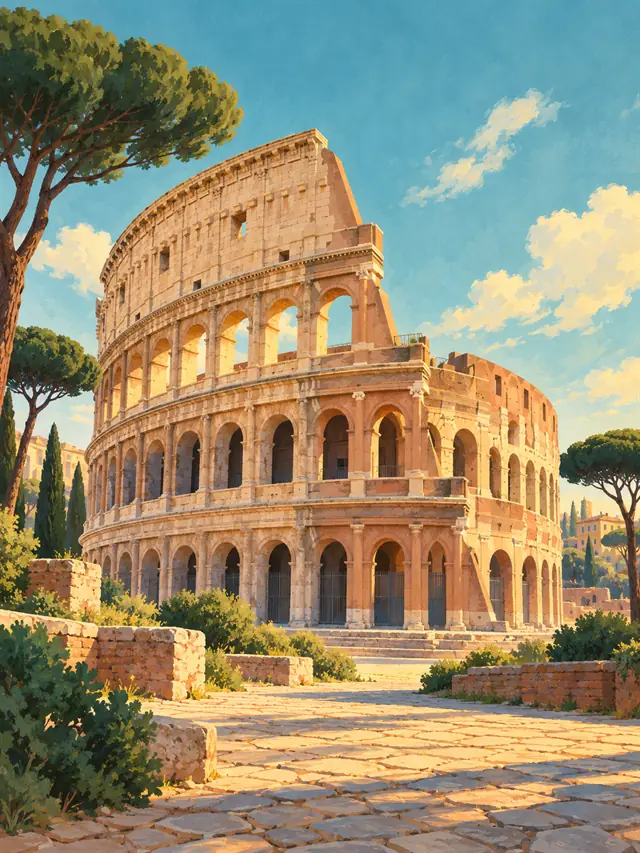
The Colosseum, for example, requires a reserved entry time. Check the ticket category and what it includes before purchasing. Official Colosseum visitor information
Plan one main activity per half-day, allowing time for meals, walking, and breaks. Keep your schedule flexible on days when you travel between cities.
8. Prepare for Departure
0 of 8 checked

Your first trip to Italy does not have to include everything. Choose the places that interest you most and give yourself time to enjoy them.
Bijou – Plan easily, travel smart. 🌍